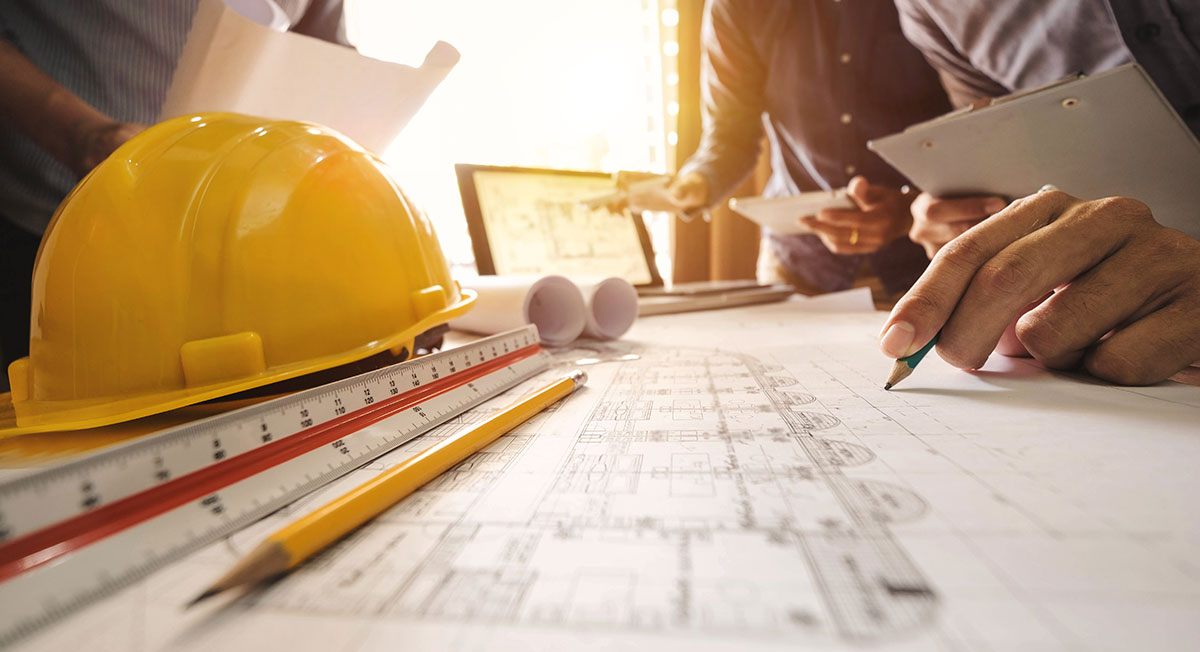
High-stakes construction projects have a way of sharpening your instincts. When timelines are tight, budgets are closely watched, and expectations are high, every decision carries more weight. Over the course of my work as a Project Coordinator and developing Project Manager, I have learned that these demanding projects often provide the most valuable lessons. They test your planning, your communication, and your ability to stay calm under pressure. Looking back, the lessons I have learned from high-stakes projects continue to shape how I approach every job.
Preparation Sets the Tone
One of the most important lessons I have learned is that preparation sets the tone for the entire project. On high-stakes builds, there is very little room for error. Spending time upfront to fully understand the scope, drawings, and schedule makes a noticeable difference later. When the plan is clear and well organized, teams are better equipped to handle challenges as they arise.
I have seen projects struggle simply because key details were overlooked early. Missing information, unclear responsibilities, or rushed planning often lead to delays and cost overruns. Taking the time to ask questions, confirm assumptions, and align the team early helps prevent these issues and creates a stronger foundation for success.
Communication Becomes Even More Critical
When the pressure is on, communication matters more than ever. High-stakes projects involve many moving parts, and small misunderstandings can quickly turn into major problems. Clear, consistent communication helps keep everyone aligned and reduces uncertainty.
I have learned the value of regular updates and open dialogue. Keeping trades, consultants, and clients informed builds trust and allows issues to be addressed quickly. Listening is just as important as speaking. Understanding concerns from the field or the client side often leads to better decisions and stronger outcomes.
Staying Organized Under Pressure
High-stakes environments can feel chaotic, especially when timelines are tight. Organization becomes a critical skill in these moments. Maintaining accurate documentation, updated schedules, and clear task lists helps bring order to the complexity.
I rely heavily on structured systems to manage information. Whether it is tracking change orders, monitoring progress, or organizing meeting notes, staying organized allows me to respond quickly and confidently. When information is easy to access, decision-making becomes faster and more effective.
Expect the Unexpected
No matter how well a project is planned, unexpected challenges will arise. Weather delays, supply chain disruptions, and unforeseen site conditions are all part of construction. High-stakes projects make these challenges feel even more intense.
One key lesson I have learned is the importance of flexibility. Being able to adapt, adjust schedules, and find solutions without losing focus is essential. Having contingency plans in place and staying proactive helps minimize the impact of surprises and keeps the project moving forward.
Teamwork Makes the Difference
High-stakes projects highlight the importance of teamwork. No single person can manage everything alone. Success depends on collaboration between project managers, coordinators, trades, and consultants.
I have seen how strong relationships and mutual respect can carry a project through difficult moments. When teams trust one another and work toward a common goal, problems are solved more efficiently. Encouraging open communication and supporting team members creates an environment where everyone feels invested in the outcome.
Managing Stress and Maintaining Perspective
Working on high-stakes projects can be stressful. Long hours, tight deadlines, and constant decision-making can take a toll. One of the most important lessons I have learned is the need to manage stress and maintain perspective.
Staying calm under pressure helps prevent mistakes and keeps the team focused. Taking a step back, prioritizing tasks, and focusing on solutions rather than problems makes a significant difference. It is also important to remember that challenges are part of the process and not every issue is a crisis.
Learning from Every Project
Every high-stakes project leaves behind lessons. After each one, I take time to reflect on what worked well and what could be improved. This habit of reflection has helped me grow professionally and refine my approach to project management.
High-stakes projects are demanding, but they are also opportunities for growth. They build confidence, strengthen skills, and prepare you for greater responsibility in the future.
Conclusion
High-stakes construction projects test every aspect of project management. They require strong preparation, clear communication, organization, flexibility, and teamwork. While the pressure can be intense, the lessons learned are invaluable. These experiences have shaped how I approach every project, regardless of size. By applying the insights gained from high-stakes builds, construction professionals can deliver better results, build stronger teams, and continue to grow in a demanding and rewarding industry.